Why Brown Food Tastes Better
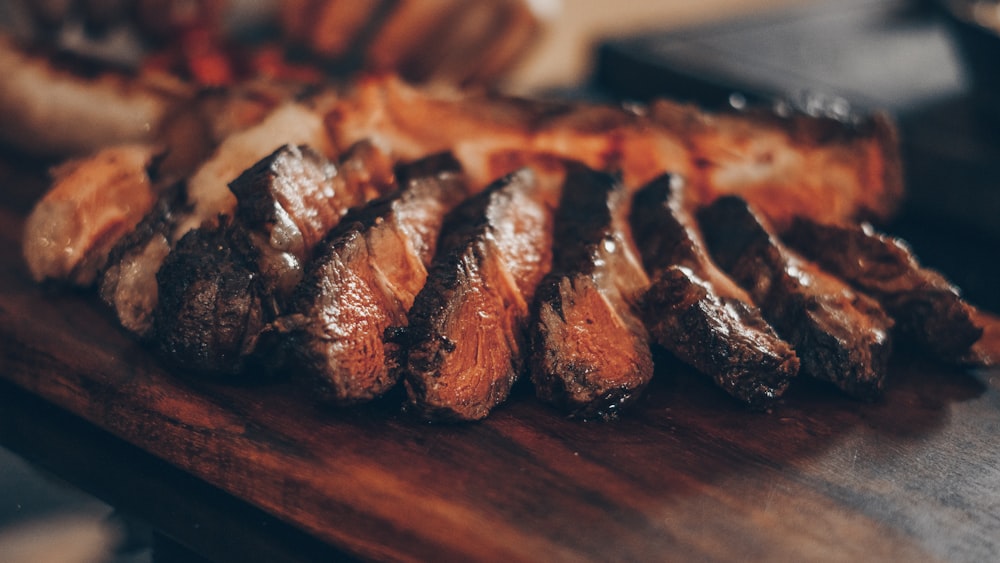
There's a reason a properly seared steak tastes completely different from a boiled one, even if the internal temperature is identical. The crust isn't just texture — it's hundreds of flavour compounds that didn't exist before the heat was applied. The process that creates them is called the Maillard reaction, and once you understand it, a lot of cooking decisions start making more sense.
What It Is
The Maillard reaction is a chemical reaction between amino acids (the building blocks of proteins) and reducing sugars. It was first described in 1912 by French chemist Louis-Camille Maillard, who was trying to understand how the human body synthesizes proteins — not how to cook a better steak. The cooking application came later.
When these compounds are heated together above roughly 140°C (285°F), they react and rearrange into hundreds of different molecules simultaneously. This is why a seared steak has a complex, layered flavour and a boiled one doesn't — the boiled one never gets hot enough for the reaction to occur. Water keeps the temperature at 100°C maximum, which is below the threshold.
The exact flavour compounds produced depend on which amino acids and sugars are present (which is why beef, chicken, and bread all brown differently) and the temperature and duration of the heat.
Maillard vs Caramelization
These two are constantly confused. Caramelization is the thermal decomposition of sugars alone — no protein required. It happens at higher temperatures (around 160°C for fructose, 180°C for sucrose) and produces the characteristic sweetness of caramel, toffee, and roasted onions.
The Maillard reaction requires both sugar and protein. It happens at lower temperatures and produces savoury, complex, roasted flavours rather than sweet ones. When you caramelise onions, you're getting both reactions happening — the sugars caramelise while the proteins Maillard. That's why properly caramelised onions have both sweetness and depth.
The Conditions That Make It Work
Understanding the requirements explains why searing often goes wrong:
Heat needs to be above 140°C at the surface. This is why a wet surface kills your sear. Moisture on the meat surface has to evaporate before the surface temperature can climb above 100°C. While it's evaporating, you're steaming, not browning. Pat your protein dry before it hits the pan — this isn't optional.
The pan needs to be properly hot before the food goes in. Adding cold or room-temperature protein to a pan that isn't hot enough drops the pan temperature and you're back to steaming. Preheat properly. If you're using cast iron, it needs longer than you think — two to three minutes minimum over high heat.
Don't crowd the pan. Multiple pieces of protein release steam. If that steam can't escape because there's too much food, the pan temperature drops and you get grey boiled meat instead of a crust. Cook in batches if needed.
Don't move it constantly. The reaction takes time. Each side needs sustained contact with the hot surface. Put it down, leave it alone until it releases naturally (a properly seared piece of meat won't stick when it's ready to be flipped), then flip once.
Where Else It Appears
The Maillard reaction is everywhere in cooking once you know to look for it:
- Bread crust — the brown exterior is pure Maillard. The pale interior never gets hot enough
- Coffee roasting — green coffee beans have no Maillard products; the roasting process creates hundreds of flavour compounds
- Roasted vegetables — why oven-roasted carrots taste nothing like steamed ones
- Köfte and burgers — the crust on a well-cooked köfte has the same chemistry as a seared steak
- Toast — why toasted bread tastes fundamentally different from fresh bread, not just in texture
The Practical Takeaway
You don't need to memorise the chemistry. The practical rules are simple: dry surface, very hot pan, don't crowd, don't rush. Most bad sears come from violating one of these four. The reaction does the rest — you just need to give it the conditions to happen.
Once you've seared something with a proper crust and understood what you did to make it happen, you'll never approach a hot pan the same way again.