The goal is repeatability
Product photography is not about inspiration. It is about control. The goal is the same result every time, even if you shoot a month later, even if the product changes slightly, even if you are tired. The setup below is the one I use when I want clean texture, accurate color, and a soft highlight that makes materials look expensive.
Minimal gear that actually works
You can do this with a small kit. The key is a large light source relative to the product and a controlled background.
The one light layout
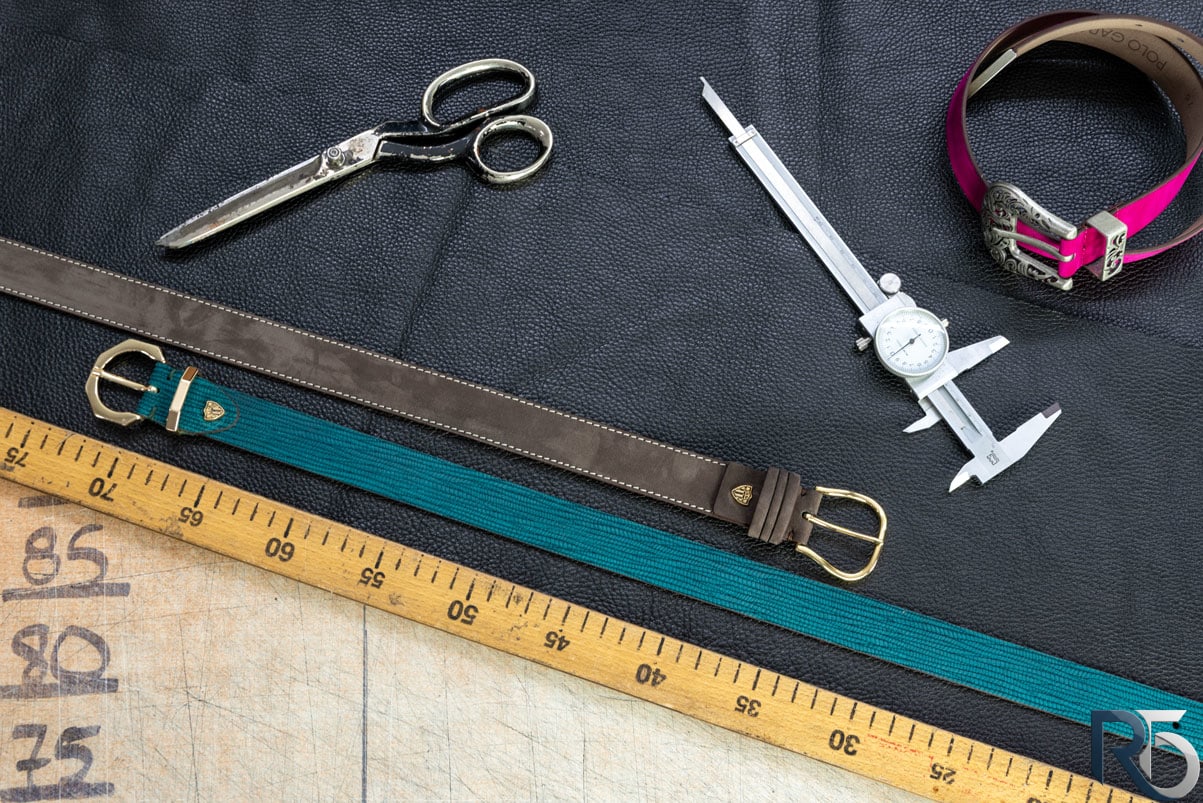
Place the light at about forty five degrees to the product and slightly above it. Aim the softbox so the edge of the light skims across the surface. For leather and textured materials, that edge light is what reveals grain without turning it into ugly glare.
- Light slightly behind the product creates a clean highlight line
- Front light makes texture flat and lifeless
- Move the light before you touch camera settings
Texture lives in the shadows
Most people try to make everything bright. That kills texture. Texture needs small shadows. Use a black card close to the product to deepen micro contrast. Use a white card on the other side to lift shadows just enough to keep detail.
For leather, the black flag is the secret sauce. It creates the line that makes the material look tactile.
Camera settings that keep you sane
Settings are boring, and that is good. Boring means predictable.
- Aperture around f8 to f11 for sharpness and depth
- Low ISO for clean color
- Shutter speed depends on your light, keep it stable on tripod
- Manual white balance or a gray card for accurate product color
Editing workflow
Do not turn product photos into a cartoon. The job is faithful color, controlled contrast, and clean edges.
- Correct white balance first
- Normalize exposure to keep a consistent series
- Use local contrast sparingly to enhance texture
- Remove dust and scratches, products do not forgive laziness
Common mistakes
- Light too small, which creates harsh specular highlights
- No flags, which makes everything look flat
- Auto white balance, which makes colors drift between shots
- Hand held shooting, which makes framing inconsistent
Closing
A clean product photo is engineering. Build a repeatable setup, control light size, shape shadows with flags, and lock your camera. Once the system is stable, you can get creative. Until then, the creative part is mostly you inventing new problems.