The Instinct to Pack Up
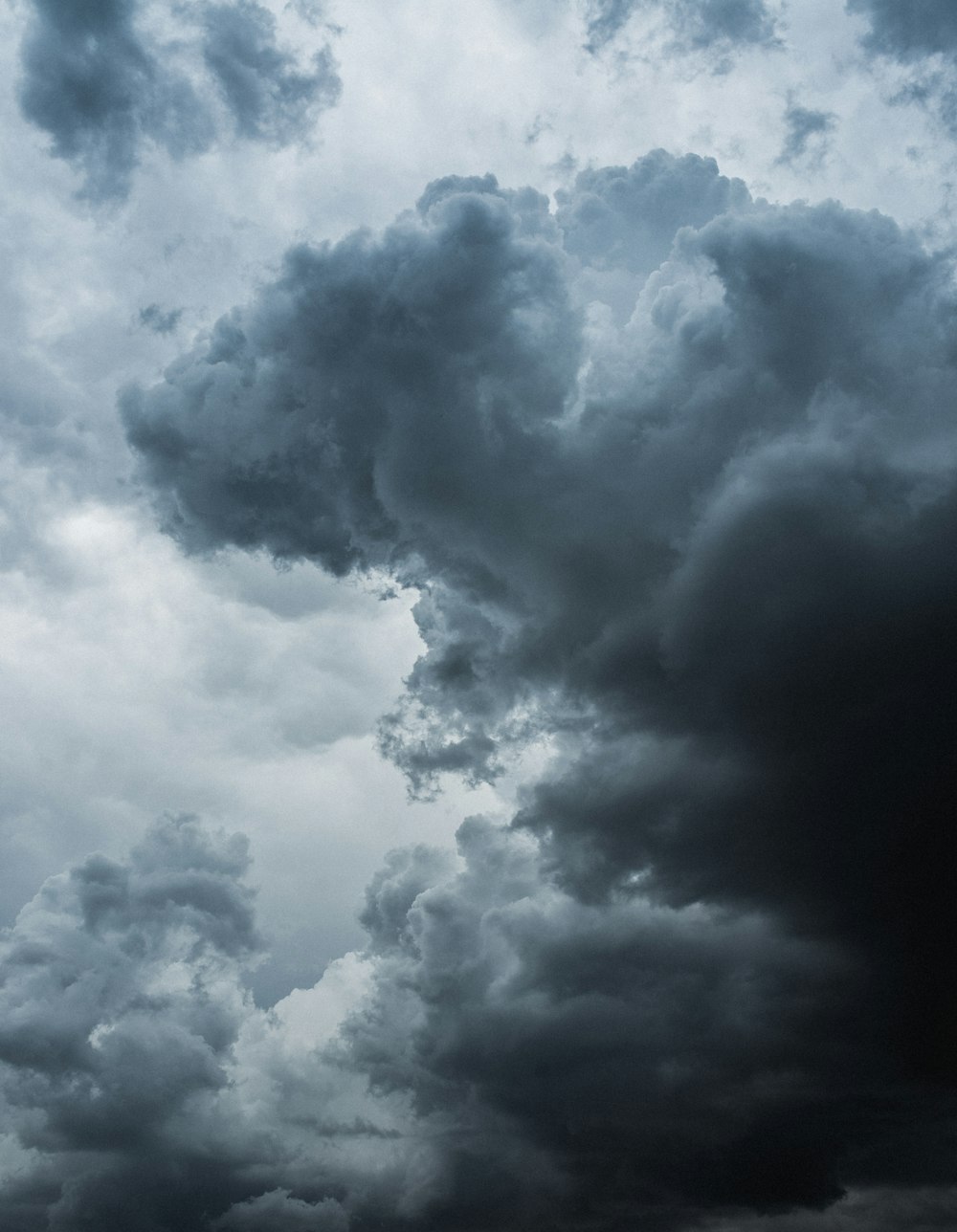
I've lost track of how many times I've watched other photographers put their cameras away when clouds rolled in or rain started. I understand the instinct — gear is expensive, bad weather is uncomfortable, and the light "isn't good." But this instinct costs you photographs that simply cannot be made on a clear day.
Some of my favourite shots from travel came from days that looked, on paper, like bad shooting days. The fog rolling through Skopje at dawn. A street in Tatacoa after rain, every puddle a mirror. A portrait session in Colombia where the overcast sky turned into a natural softbox. Weather isn't a problem to wait out. It's a variable to work with.
Overcast: The Giant Softbox
Photographers spend hundreds of dollars on modifiers to soften studio light. An overcast sky does exactly the same thing at a planetary scale, for free.
When the sky is covered, direct sunlight is scattered into diffuse, even illumination from every direction. Shadows become soft. Contrast drops dramatically. For portraits, this is often better light than what you'd get on a sunny day — you don't have to worry about harsh shadows under the eyes or squinting subjects. Skin tones render more evenly.
What to watch for: the light is flat, which means you need to find other sources of dimensionality — shape, texture, colour contrast, compositional depth. Flat light on a flat subject in front of a flat background produces a flat photo. The light is doing less work, so your composition needs to do more.
Settings: ISO can be lower than you'd expect because the light, while diffuse, is still substantial. Expose slightly to the right of your histogram to recover shadow detail. Watch white balance — overcast skies read blue on auto WB; adjust manually to something warmer (around 6500K) if you want neutral skin tones.
Rain: Mood and Reflections
Rain does three things photographically: it clears the streets, it creates reflections, and it changes the emotional register of everything.
Empty streets are useful. A location that's impossibly crowded in good weather becomes accessible in rain. People take shelter, the scene opens up, and you have the place to yourself. I've shot markets, plazas, and alleys in the rain that would have been impossible to shoot cleanly on a sunny day.
Puddles create reflection opportunities that don't exist otherwise. Low angle, puddle in foreground, subject or architecture reflected in it — this is a cliché for a reason. It works. The key is finding a clean reflection surface, getting low, and thinking about what you're putting in the reflection.
Gear protection: Most modern cameras have some weather sealing, but "weather sealed" doesn't mean waterproof. A simple rain sleeve (cheap) or even a plastic bag with a rubber band around the lens protects in most conditions. A lens hood helps keep rain off the front element.
Fog: Depth by Subtraction
Fog is depth. It separates foreground from midground from background by progressively reducing contrast and saturation in each layer. The further something is from the camera, the less visible it becomes. This creates a sense of dimensionality that clear-air photographs can't replicate.
For architecture and landscape, fog transforms familiar scenes. A bridge you've photographed a hundred times becomes mysterious when the far end disappears into white. A row of trees becomes graphic — bold silhouettes in front, progressively ghosted shapes behind.
For street photography, fog shortens the visible world. You're working in a smaller stage, which often means more intimate, claustrophobic compositions. The light is extremely even — similar to overcast but softer and with a white atmosphere rather than grey.
Exposure: Fog is bright. Your camera will want to underexpose it to grey. Dial in positive exposure compensation (+1 to +2 EV) to keep the fog white and maintain the mood. If you let the camera expose automatically, you'll get a flat grey mush.
The One Thing to Not Do
Don't fix bad-weather photos in post. The characteristic qualities of rain, fog, and overcast light — the soft shadows, the muted palette, the atmospheric haze — are what make the images work. Boosting contrast, clarity, and vibrance destroys them. Push the edit toward the mood of the weather, not away from it. Muted tones, lifted shadows, cooler white balance. Let the day look like what it was.