Overview
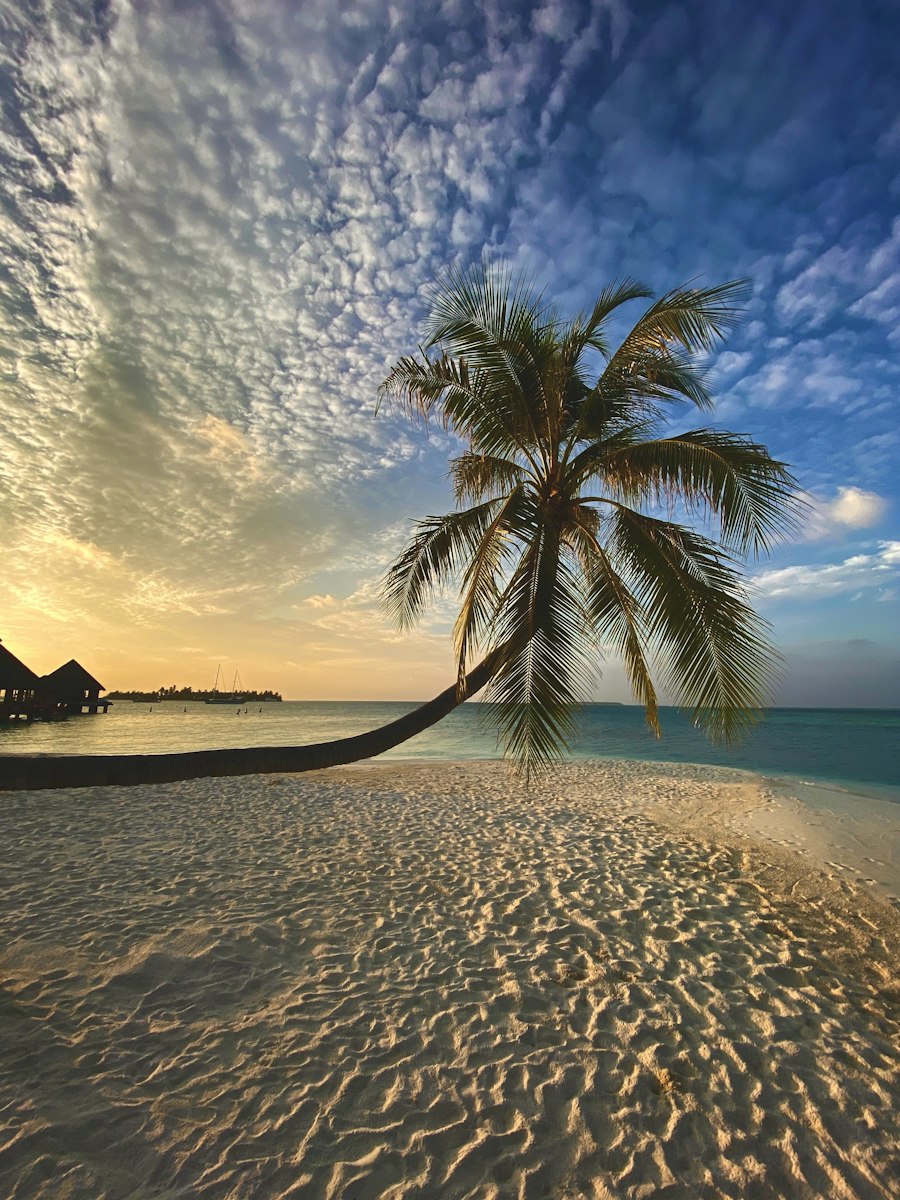
The Dominican Republic launched its digital nomad visa in 2022 with one of the lowest income thresholds in the Caribbean, $1,500/month. The appeal is genuine: year-round warm weather, Caribbean beaches, and a country that's more developed and connected than its tourist reputation suggests.
Santo Domingo is a real capital city, with history, culture, nightlife, and infrastructure. Las Terrenas and Cabarete are growing nomad coastal hubs. The DR fills a specific niche: Caribbean lifestyle at a price point that makes sense for remote workers who don't need European infrastructure.
1 year
Visa duration (renewable)
27-30°C
Year-round temperature
Requirements
💰
Income, $1,500/month
One of the lowest thresholds for any formal DNV in the Americas. Verified with 3 months of bank statements, employment contracts, or freelance invoices. Accessible to a wide range of remote workers.
💼
Remote Work Proof
Employment with a non-Dominican company or freelance contracts with international clients. Standard documentation, employer letter or client contracts showing ongoing remote work relationship.
❤️
Health Insurance
Coverage valid in the Dominican Republic. International policies covering the Caribbean qualify. Private medical care is available and reasonably affordable in Santo Domingo.
🚔
Criminal Record
From your home country, apostilled. Standard requirement. No unusual complications for most nationalities.
⏱️
Duration-1 Year, Renewable
The visa is valid for 1 year and renewable. Unlike Paraguay's permanent residency, this requires annual renewal. Process is straightforward for those maintaining their income documentation.
📋
Application
Apply at a Dominican consulate in your country of residence, or through the Dirección General de Migración after arriving on a tourist visa. A local immigration specialist simplifies the process significantly.
⚠️ Internet varies dramatically by location
Santo Domingo has solid fibre internet (100-300 Mbps) in business districts. Outside the capital, Las Terrenas, Cabarete, internet quality improves but can still be inconsistent. Always verify specific building/area coverage before committing to a location.
Application Routes
Option A
Consulate Route (Before Arrival)
Apply at your nearest Dominican consulate with all documents in hand before travelling. Gets you a nomad visa stamp in your passport before you arrive. Processing times vary by consulate, some are faster than others.
Option B
Apply In-Country
Enter on a tourist visa (most nationalities get 30 days, extendable), find accommodation, and apply through the General Directorate of Migration (Migración). Working with a local lawyer significantly reduces friction, the in-country process is well-established for nomads in Santo Domingo.
💡 Santo Domingo vs consulate
The in-country route in Santo Domingo tends to be more reliable than applying at consulates abroad, the local immigration office handles this regularly. Most nomads who go this route report straightforward processing with a local lawyer.
Tax, Basics
No Special Tax Regime, But Not a Problem
The Dominican Republic doesn't have a special territorial tax system like Panama or Paraguay. However, tax residency in the DR is established by physical presence, you become a Dominican tax resident after 182+ days in the country in a calendar year. If you're using the DR as a base while spending time elsewhere, you may not trigger full tax residency.
If you do become a Dominican tax resident, the system taxes worldwide income at progressive rates (15-25%). Foreign-source income is taxable in theory, but enforcement on remote worker income from abroad is generally limited in practice. Get local tax advice for your specific situation.
The DR is more about lifestyle than tax optimisation. If tax is your primary concern, Paraguay or Panama are better choices.
⚠️ Hurricane season, plan accordingly
June through November is hurricane season. The DR is in a hurricane-prone zone, while direct hits are relatively rare, tropical storms and heavy rainfall affect travel plans and can disrupt infrastructure. If you're planning to be based there year-round, have contingency plans for August-October particularly.
Cities
The DR has a meaningful range, real capital city infrastructure, growing nomad coastal towns, surf culture, and authentic Dominican city life beyond the tourist zone.
⭐ Capital · Real urban infrastructure
Santo Domingo
$700-1,300/month 1BR
The genuine city. UNESCO-listed Ciudad Colonial for history, Piantini and Naco for modern business/residential life. Best internet in the country, most coworking spaces, strongest English presence. Nightlife, restaurants, and cultural depth that Punta Cana can't offer.
Best internetColonial quarterNightlife
⭐ Nomad coastal hub
Las Terrenas
$600-1,100/month 1BR
The nomad favourite on the Samaná Peninsula. French and Italian expat influence means good restaurants and a relaxed international community. Coworking spaces have improved significantly. Beach is walkable from town. More authentically Caribbean than the resort areas.
Nomad communityBeach in townInternational vibe
North coast · Surf culture
Cabarete
$500-900/month 1BR
Kitesurfing capital of the Caribbean. Backpacker-to-expat crowd, international community, beach bars and surf schools. Less infrastructure than Las Terrenas but lower cost. Better suited to those whose lifestyle centres around water sports rather than professional networking.
KitesurfingInternationalActive lifestyle
Second city · More local
Santiago de los Caballeros
$500-900/month 1BR
The DR's second city in the Cibao valley. More Dominican, less international, which is a feature for those who want authentic local immersion. Good infrastructure, lower prices than Santo Domingo, cooler inland temperatures. Growing business community. Less nomad infrastructure but improving.
Most DominicanCooler inlandLower prices
Resort area · Honest assessment
Punta Cana / Bávaro
$900-1,600/month 1BR
All-inclusive resort territory. Beautiful beaches but designed for tourists, not residents. Infrastructure outside the resort zones is limited. Has some residential development (Los Corales, Bávaro) but feels transactional rather than liveable for long-term stays. Good for a week, less compelling for a year.
Tourist zoneLimited for residentsGood airport
Costs
| Item | Approx (USD) | Notes |
|---|
| Visa application fee | ~$200 | Government processing fee |
| Immigration lawyer (recommended) | $400-900 | Worth it for smoother in-country process |
| Criminal record + apostille | $50-150 | Varies by country |
| Health insurance (annual) | $400-900 | Caribbean-valid international coverage |
| Photos, translations, misc | ~$100 | Certified translations if documents not in Spanish |
| Total setup estimate | $1,150-2,250 | First year application costs |
Pros
- Lowest income threshold ($1,500/month)
- Genuine Caribbean lifestyle year-round
- More affordable than Puerto Rico or Bahamas
- Santo Domingo has real urban substance
- Growing nomad scene in Las Terrenas and Cabarete
- Eastern US timezone, good for US/Canadian clients
Cons
- Internet inconsistent outside main urban areas
- Power outages (apagones), need generator backup
- 1-year visa only, not permanent residency
- Hurricane season June-November
- Limited English outside tourism and business contexts
- No territorial tax advantage vs Paraguay or Panama